Top 10 Benefits of Epoxy Flooring for Homes, Garages, and Basements
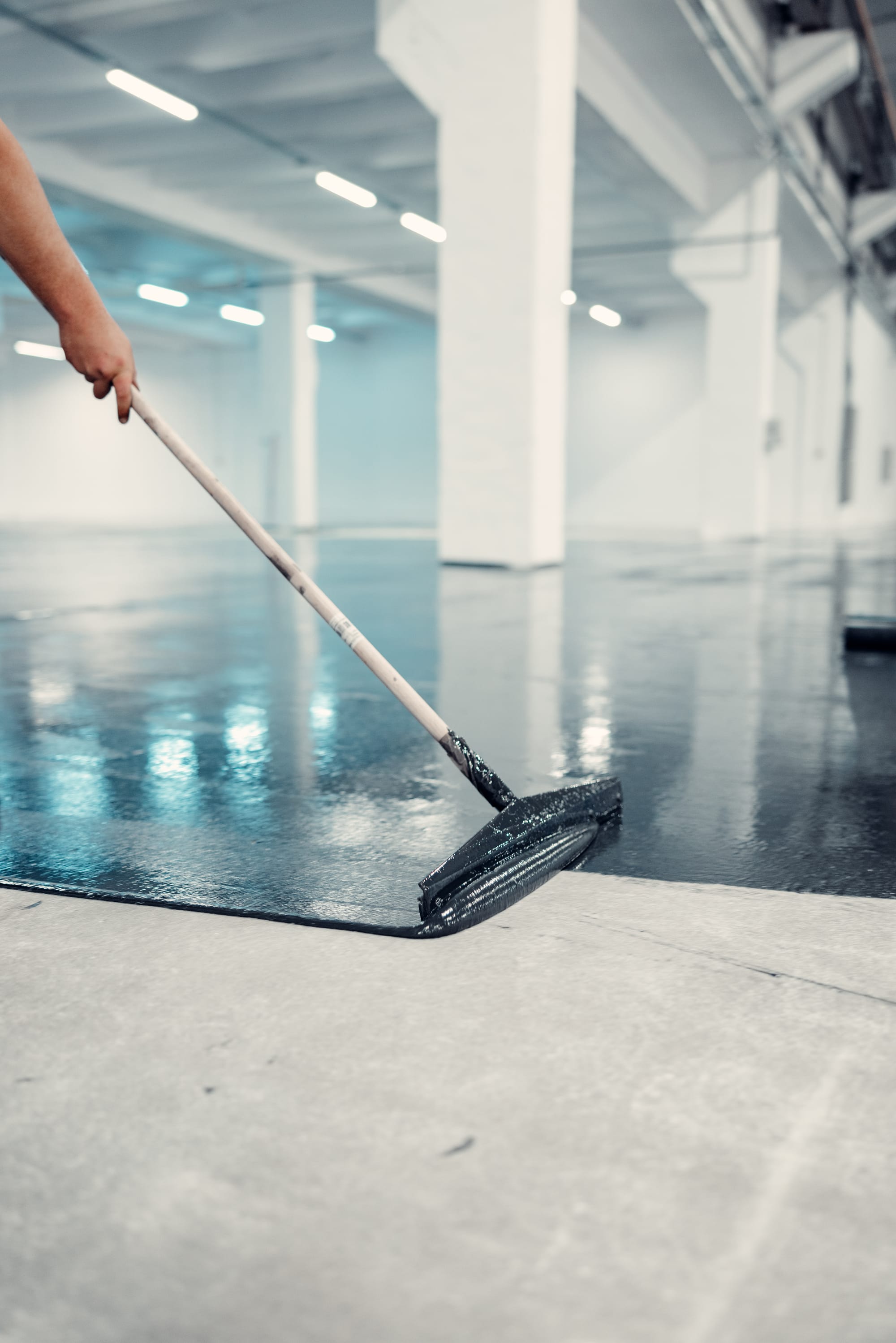
pstrong Step 1, Start with a quick plan for your space (home, garage, basement) /ppBefore you pick colors or finishes, define what the floor must do every day. Epoxy performs best when the system is matched to the environment. Use this short planning checklist to guide every decision that follows./ pulli Kitchen or laundry area, attached garage, detached workshop, finished basement, utility room, or storage basement.li Hot tire pickup, road salts, oil and chemical drips, dropped tools, heavy shelving, rolling loads, pet traffic, flooding risk, moisture vapor, or temperature swings.li Solid color, decorative flake, metallic, high gloss, satin, or more slip resistance.li Do you want a floor that cleans with a quick mop, or are you okay with periodic resealing or waxing (epoxy usually avoids waxing).li Many systems can be installed in a few days, but moisture mitigation, repairs, and multi coat builds can extend schedules.li The best value comes from spending on surface prep and the right primer rather than only the topcoat.pThis planning step sets you up to get the biggest benefits epoxy flooring can deliver. The rest of this guide explains those benefits in a practical, step by step way, so you can choose a system confidently./ ppstrong Step 2, Learn what epoxy flooring is and why it matters /ppEpoxy flooring is a coating system that bonds to properly prepared concrete. It is typically made of a resin and a hardener that chemically react, forming a dense, durable, and protective layer. Some projects use hybrid systems that include epoxy primers, polyaspartic or polyurethane topcoats, and broadcast media like decorative flakes or quartz for traction and style./ ppIn homes, garages, and basements, epoxy is popular because it solves a common problem. Bare concrete is porous. It absorbs moisture, stains, oils, and salts. It also dusts and wears, especially under vehicles and foot traffic. Epoxy creates a sealed, cleanable surface that resists damage and elevates the look of the entire space./ ppNext, you will walk through the top 10 benefits. For each benefit, use the mini instructions to connect the idea to your own space and to evaluate whether you need a basic system or a higher performance build./ ppstrong Step 3, Benefit 1, Exceptional durability for daily life and heavy use /ppOne of the biggest reasons property owners choose epoxy is strength. A properly installed system acts like armor for your concrete. It helps protect against abrasion, impact, and wear patterns that quickly show on bare concrete./ ppTo apply this benefit to your project, follow this sequence./ pulli Vehicles, motorcycles, heavy tool chests, home gym racks, freezers, storage racks, and rolling carts.li Workbench areas, entry points, or places where tools often fall.li A light duty basement storage floor may need a simpler system than a high traffic garage.li In garages, a strong topcoat helps with hot tire pickup and abrasion from sand and grit.pWhen installed over correctly prepared concrete, epoxy helps prevent the chipping and scaling that often happen in garages and basements. It also reduces surface wear that creates concrete dust. For families, that means less tracking dust into living spaces and less frequent deep cleaning./ ppstrong Step 4, Benefit 2, Chemical and stain resistance for garages and utility rooms /ppGarages and basements face chemical exposure more than most interior rooms. Common threats include motor oil, brake fluid, antifreeze, gasoline, detergents, fertilizers, and household cleaners. Many of these will stain bare concrete permanently./ ppUse this quick procedure to judge how important chemical resistance is for you./ pulli Paint, pool chemicals, salt, lawn products, or auto fluids.li Under vehicles, near a water heater, by the lawn equipment corner, or near a workbench.li If you want stress free cleanup, pick a system designed for chemical resistance.li Some harsh chemicals require specific topcoats. A professional can recommend the right chemistry for your use.pEpoxy’s sealed surface helps keep spills on top instead of letting them soak in. This is especially valuable in garages where road oils and winter salts combine, and in basements where detergents and humidity can leave marks on porous concrete./ ppstrong Step 5, Benefit 3, Moisture management and protection in basements /ppBasements are unique because moisture can come from multiple directions. You can have humidity, minor seepage, hydrostatic pressure, or moisture vapor traveling up through the slab. Moisture is one of the most important factors in epoxy performance, because it influences adhesion./ ppFollow this sequence to connect moisture information to the benefit./ pulli Efflorescence (white powder), dark damp areas, peeling paint, or musty odors.li Does the floor feel damp in spring, or after heavy rain.li Professional installers often use moisture tests to determine if a vapor barrier or mitigation primer is needed.li Gutters, grading, sump pumps, and dehumidification can help. Coatings are part of a system, not a standalone fix for active water problems.pWhen the slab conditions are appropriate, epoxy creates a sealed surface that helps reduce dust, makes cleanup easy, and adds protection against minor moisture related issues. The key is proper evaluation and surface preparation, so the coating bonds well and performs long term./ ppstrong Step 6, Benefit 4, Easier cleaning, less dust, and better day to day hygiene /ppBare concrete sheds fine dust as it wears. That dust spreads to stairs, storage shelves, and finished areas. Epoxy locks down the surface and creates a smooth, non porous floor that is simpler to maintain./ ppUse this cleaning focused checklist./ pulli Sweep and mop, light scrub, or rinse and squeegee in a garage.li More texture can improve traction but may hold more dirt. A balanced finish keeps cleaning easy while still being safe.li Add mats and sweep grit quickly, especially in winter when sand and salt are common.li Gentle, non harsh cleaners typically keep epoxy looking great. Avoid harsh acids unless specifically recommended.pIn homes, this benefit shows up immediately. Mud, pet hair, and everyday debris are easier to remove. In garages, dust and tire residue are less likely to permanently discolor the slab. In basements, a sealed floor can make the space feel cleaner and more comfortable./ ppstrong Step 7, Benefit 5, Improved safety through slip resistance and better visibility /ppSafety is not only about traction. It is also about visibility and predictable footing. Epoxy can be paired with broadcast media such as flakes, quartz, or traction additives to help reduce slip risk when the floor is wet. Light colored systems can also brighten dark basements and garages by reflecting light./ ppFollow this step by step safety planning method./ pulli Near garage doors, floor drains, basement entry doors, and laundry areas.li If you store wet equipment or have frequent snow melt, consider added texture.li Very aggressive textures can be harder on knees and harder to mop. Many homeowners choose a moderate broadcast for traction with manageable maintenance.li Lighter floors often make the space feel larger and safer.pA well designed epoxy system can reduce slip risk compared to smooth bare concrete, especially when paired with the right aggregate and a professional topcoat. The visibility boost is an underrated win, particularly in basements where poor lighting can make the space feel uninviting./ ppstrong Step 8, Benefit 6, Strong aesthetic upgrade that makes the space feel finished /ppEpoxy can transform a utilitarian slab into a surface that looks intentional and high end. This matters in several ways. It can make a garage feel like an extension of the home, help a basement feel more like usable living space, and create a polished look for workshops or hobby areas./ ppUse this design sequence to dial in your look./ pulli Solid color for a clean modern look, decorative flake for a granite like appearance, or metallic for depth and movement.li Basements may benefit from lighter shades. Garages can handle mid tones that hide dirt.li High gloss brightens and looks premium but can show dust. Satin can mask small marks.li Cabinets, slat walls, and trim can be chosen to match or contrast the floor.pThis aesthetic improvement is not just about looks. A more finished space is more likely to be used. Many homeowners find that once the floor looks great, they keep the area cleaner and organize it better because it feels like part of the home./ ppstrong Step 9, Benefit 7, Long term value and potential resale appeal /ppUpgrades that improve both function and appearance can contribute to perceived value. While resale impact varies by market, a clean, durable, professionally finished garage or basement can differentiate a property. It signals that the home has been cared for and that practical spaces are not neglected./ ppFollow this value focused process./ pulli Paint, shelving, lighting, and flooring all improve utility spaces. Rank them.li A quality epoxy system can outlast many quick fix coatings and reduce the need for repairs.li Keep receipts, system details, and photos. This helps communicate quality to future buyers.li Routine cleaning preserves the finish and keeps the floor looking newer longer.pEven if you are not selling soon, long term value includes reduced maintenance time and fewer headaches. A floor that resists staining and wear often pays back in convenience over the years./ ppstrong Step 10, Benefit 8, Concrete protection, fewer chips, fewer repairs, and less surface wear /ppConcrete is strong, but its surface can degrade from abrasion, freeze thaw cycles, salts, and repeated impacts. Once the top layer starts to spall or chip, it can accelerate. Epoxy acts as a protective barrier that helps preserve the slab and can bridge minor imperfections when paired with proper repair work./ ppUse this protective sequence before installation./ pulli Note spalled areas, control joints, and previous patchwork.li Not every crack is structural, but repairs should be handled with the right materials for coatings.li Grinding and profiling create a clean surface for adhesion and help the system perform.li Once coated, the slab is better shielded from salts, oils, and abrasion.pA key idea is that epoxy is not only a cosmetic layer. When installed correctly, it becomes a functional protective system that can extend the usable life of the concrete surface./ ppstrong Step 11, Benefit 9, Custom systems for different rooms, including decorative flake and metallic finishes /ppEpoxy is not one size fits all. You can tailor the system to the room’s needs and your design preferences. Decorative flake systems are popular in garages and basements because they hide dust and small imperfections while adding traction. Metallic systems are often chosen for showpiece basements, entertainment areas, or modern interiors./ ppFollow this selection process./ pulli Garage floors often need strong abrasion resistance and a durable topcoat. Basements may prioritize moisture considerations and comfort.li Full broadcast flake creates a richly textured, consistent look. Partial broadcast offers a smoother feel.li Cove base transitions, stem wall coatings, anti slip additives, and UV stable topcoats where needed.li Steps, ledges, and joints require careful detailing for a finished result.pThis flexibility allows homeowners to make each area look intentional. A garage can look clean and resilient. A basement can look refined and comfortable. A laundry room can look bright and easy to maintain./ ppstrong Step 12, Benefit 10, Faster transformation compared to many traditional remodel options /ppFlooring upgrades can be disruptive. One advantage of professional epoxy installation is that it can often be completed in a relatively short window compared to tile, full slab replacement, or other intensive renovations. Exact timelines vary by system, cure time, repairs, humidity, and temperature./ ppUse this step by step timeline planning method./ pulli Remove storage items, vehicles, and shelving when possible.li Some systems are sensitive to temperature and humidity. Your installer will help choose the best window.li Light foot traffic may be allowed before vehicles. Follow the specific cure schedule.li Use felt pads under heavy items and avoid dragging metal legs.pFor busy households, the ability to transform a garage or basement quickly is a meaningful benefit. The space becomes usable sooner, and the improvement feels immediate./ ppstrong Step 13, Put the benefits into action with a practical installation style roadmap /ppKnowing the benefits is helpful, but the performance of epoxy depends heavily on how it is installed. Use the following process to understand what a professional grade project typically includes. This will also help you compare quotes and scope./ ppstrong Step 13.1, Start with an on site evaluation /ppA proper evaluation aligns the system to your slab and your goals./ pulliCheck concrete condition, cracks, spalling, and previous coatings.liCheck for moisture concerns, especially in basements.liDiscuss use cases, traffic, and chemical exposure.liConfirm design preferences like flake size, metallic look, and sheen level.pstrong Step 13.2, Prepare the surface properly, grinding and profiling /ppSurface preparation is the foundation of durability. Mechanical grinding creates the right concrete profile so the coating can bond./ pulliRemove contaminants like oils, curing compounds, adhesives, and old paint.liGrind to open the pores of the concrete.liVacuum dust thoroughly to keep coats clean.pstrong Step 13.3, Repair cracks and damaged concrete /ppRepairs make the final finish look better and help the coating system perform./ pulliChase and fill cracks using compatible repair materials.liPatch pits and spalls.liFeather and smooth repairs so they disappear under the coating.pstrong Step 13.4, Apply primer and base coats to build adhesion and coverage /ppPrimers can improve bonding and help manage minor porosity. Base coats create color, build thickness, and create the layer that receives decorative media./ pulliApply primer evenly at the specified spread rate.liApply pigmented epoxy base coat.liWork cleanly at edges and transitions.pstrong Step 13.5, Add decorative media, flakes or metallic effects /ppThis is where the floor’s personality takes shape./ pulliBroadcast flakes to the desired density, partial or full.liFor metallic systems, apply metallic pigments and manipulate for movement patterns.liAllow proper set time before next steps.pstrong Step 13.6, Scrape, vacuum, and detail before topcoating /ppFor flake systems, excess flakes are removed and the surface is prepared for a smooth topcoat./ pulliScrape the floor to knock down sharp points.liVacuum thoroughly.liAddress edges and corners for uniform feel.pstrong Step 13.7, Apply a protective topcoat for wear, stain resistance, and gloss control /ppTopcoats are critical. They lock in the design and provide the final protective surface./ pulliSelect the right topcoat for your environment, including UV stability needs.liAdd traction additive if required.liApply evenly to avoid roller lines and thin spots.pstrong Step 13.8, Follow cure times and a return to service plan /ppCure time is part of performance. Returning to full use too soon can imprint the coating./ pulliAllow foot traffic only when approved.liDelay vehicles until full cure as recommended.liMaintain stable temperature and humidity when possible.pstrong Step 14, Room by room guidance, how to maximize benefits in each space /ppDifferent spaces prioritize different benefits. Use these room specific instructions to get the best result./ ppstrong Step 14.1, Homes and interior utility areas /pulliChoose a finish that balances traction and cleanability.liUse lighter colors to brighten hallways, laundry areas, or mudrooms.liConfirm low odor and ventilation plan during installation.liProtect baseboards and thresholds with careful masking and detailing.pstrong Step 14.2, Garages and workshops /pulliPrioritize abrasion resistance and hot tire performance.liAdd a broadcast flake for traction and to hide dust.liPlan for winter. Road salts and grit are easier to manage on a sealed surface.liInstall a durable topcoat and commit to quick cleanup of heavy chemical spills.pstrong Step 14.3, Basements /pulliStart with moisture evaluation and testing.liUse a system appropriate for vapor conditions.liConsider a slightly warmer, more inviting color palette for finished areas.liAdd rugs or mats where you want extra comfort, but keep the main floor sealed and easy to clean.pstrong Step 15, Maintenance steps that preserve the benefits for years /ppEpoxy is low maintenance, not no maintenance. Use these simple steps to keep the floor looking great./ pulli Grit acts like sandpaper. Removing it protects gloss and reduces micro scratches.li Use a pH appropriate cleaner recommended for coated floors.li Even with stain resistance, quick cleanup prevents discoloration and keeps the surface safer.li Under heavy equipment or furniture to prevent gouges.li Dropping heavy steel can damage any coating. Use mats in high impact work zones.li In high traffic garages, a refresh topcoat after years of wear can extend life and restore gloss.pStrong maintenance habits help you keep all ten benefits in play, appearance, durability, safety, and easy cleaning./ ppstrong Step 16, Common mistakes to avoid when chasing these benefits /ppMany floor failures are preventable. Use this sequence as a quality control mindset./ pulli Acid etching alone is often not enough. Grinding is typically the professional standard.li Moisture can cause peeling and bubbling. Test and mitigate when needed.li Some kits cannot match the performance of professional systems, especially for garages.li The topcoat affects UV stability, scratch resistance, and chemical resistance.li Cure time matters for long term durability.li High gloss can be slippery when wet without texture.pAvoiding these mistakes protects your investment and helps ensure you actually experience the benefits described./ ppstrong Step 17, How RED LEAF EPOXY approaches high performance results /ppRED LEAF EPOXY specializes in durable, high performance epoxy flooring for residential, commercial, and industrial spaces. To deliver long lasting finishes that elevate function and appearance, the focus is placed on professional surface preparation, precise installation, and system selection that fits the environment./ pulli Concrete grinding and repair create the correct profile and a stable base.li Consistent mix ratios, controlled application, and attention to edges and details.li Decorative flake and metallic coatings to match style and performance needs.li Primer, base coat, broadcast media, and topcoat working together, not just a single layer.pIf you want an epoxy floor that performs for years in a garage or basement, treat the project like a system. That is how you keep durability, stain resistance, safety, and aesthetics working together./ ppstrong Step 18, Quick decision guide, choose the right epoxy benefit set for your goals /ppUse this final sequence to choose a direction./ pulli Invest in surface prep, choose a robust topcoat, and consider flake for traction and wear hiding.li Focus on moisture evaluation, lighter colors, and a cleanable finish.li Choose a system designed for oils, salts, and abrasion, and maintain by quick spill cleanup.li Consider metallic for a bold look or full flake for a premium, consistent finish.li Add traction media and improve lighting with color selection.pWhen you follow this step by step approach, the top 10 benefits of epoxy flooring become practical, measurable outcomes. You get a surface that is easier to live with, easier to clean, and built to handle the real wear that homes, garages, and basements see every day./ p